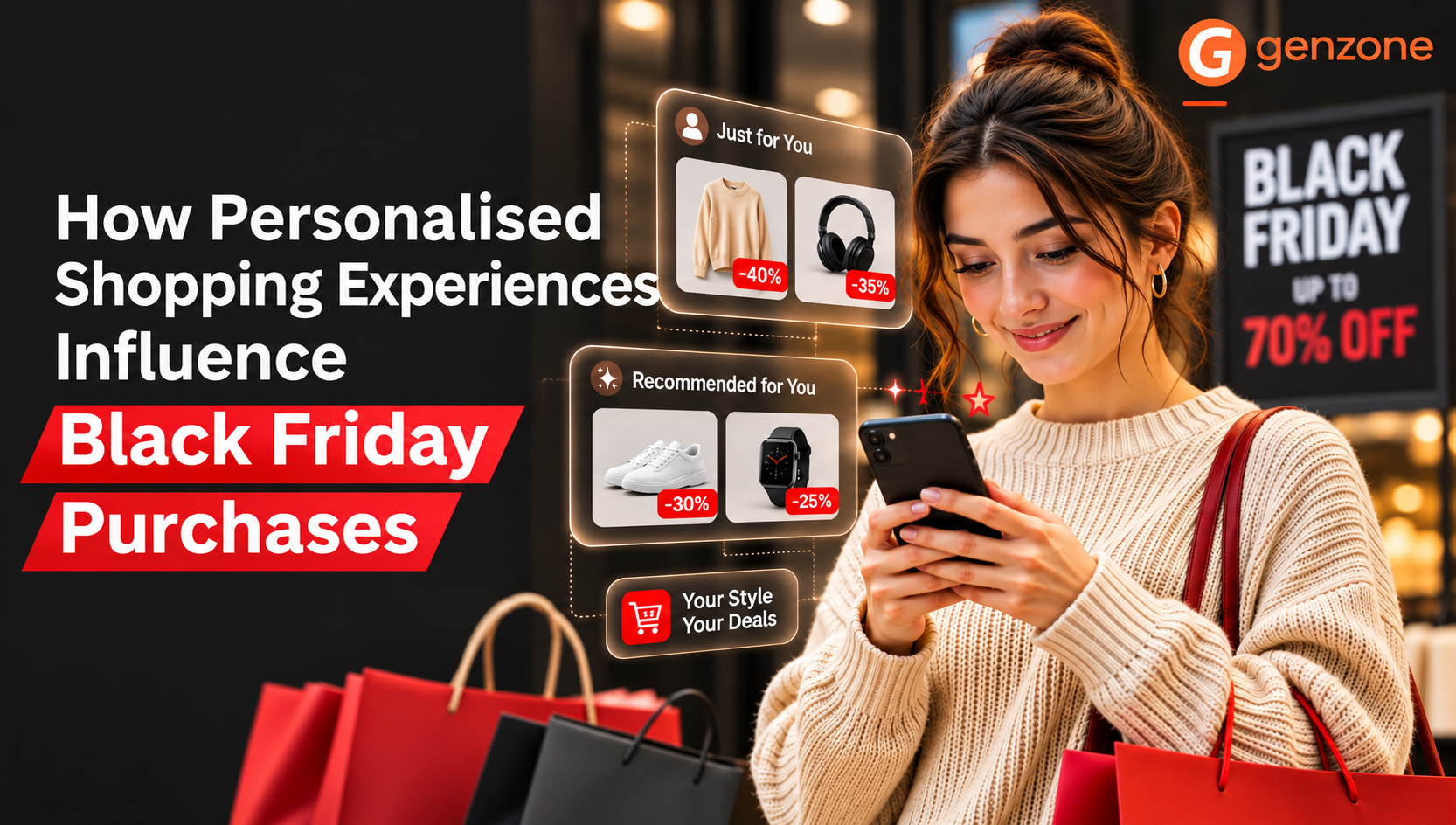
How Personalised Shopping Experiences Influence Black Friday Purchases
Black Friday shopping has changed significantly over the years. Instead of browsing endless product categories and comparing hundreds of options manually, shoppers now receive recommendations based on their interests, previous purchases, browsing activity, and personal preferences. From customised product suggestions to emails featuring products customers are more likely to buy, personalised shopping experiences are changing how people approach major sales events.
During Black Friday, when retailers compete for attention with attractive promotions and limited-time campaigns, personalisation can make the shopping journey more relevant and convenient. A shopper looking for a new smartphone might see recommendations for compatible accessories, while someone interested in home improvement may receive suggestions for useful appliances and smart home products.
These experiences can influence what people notice, compare, and eventually purchase. Understanding how personalised shopping experiences influence Black Friday purchases also helps shoppers recognise how online recommendations work and make more thoughtful buying decisions.
1. What Makes Personalised Shopping Experiences Different?
Personalised shopping refers to tailoring a customer's online shopping journey according to their interests, preferences, shopping history, and behaviour. Instead of showing every visitor the same products, retailers use customer information and technology to present relevant recommendations and content.
For example, someone who regularly searches for laptops may see technology-related suggestions on their next visit. Another shopper who frequently purchases skincare products may receive recommendations for beauty essentials or related products.
Common personalisation methods include:
- Product recommendations: Suggestions based on previously viewed or purchased products.
- Personalised emails: Messages featuring relevant products, reminders, and shopping suggestions.
- Customised website content: Product categories and banners selected according to customer interests.
- Targeted advertisements: Ads based on browsing behaviour and shopping preferences.
- Personalised search results: Products displayed according to relevance and previous interactions.
- Location-based suggestions: Recommendations based on regional availability and nearby stores.
According to Salesforce's guide to eCommerce personalisation, retailers can use browsing and purchase history to create more relevant shopping journeys. These methods become particularly useful during high-traffic shopping events such as Black Friday.
2. Why Personalisation Becomes More Important During Black Friday
Black Friday brings together thousands of products, competing retailers, and shoppers with different buying priorities. With so many choices available, finding the right product can become time-consuming.
Personalisation helps retailers organise this experience around individual interests.
Consider someone planning to purchase a new television. Instead of browsing unrelated products, they may receive recommendations for televisions, soundbars, streaming devices, and compatible accessories. This makes product discovery easier and introduces shoppers to items they might genuinely need.
There are several reasons why personalisation matters during Black Friday:
- More relevant product discovery: Customers can find products that match their interests without browsing unrelated categories.
- Faster shopping decisions: Relevant suggestions reduce the time spent searching through large product collections.
- Better product comparisons: Recommendations can introduce alternative models with similar features.
- Convenient shopping journeys: Personalised pages and reminders make it easier to continue shopping.
- Stronger brand connections: Relevant interactions can make customers feel understood and encourage future visits.
For retailers, this can create more meaningful customer interactions. For shoppers, it can make a busy shopping event easier to navigate.
3. How AI and Shopping Algorithms Shape Buying Decisions
Artificial intelligence plays an increasingly important role in modern eCommerce personalisation. Retailers use recommendation systems and machine learning models to analyse shopping patterns and predict which products may interest individual customers.
These systems can consider several signals, including:
- Products previously viewed or purchased.
- Search queries and browsing activity.
- Items added to wishlists or shopping carts.
- Frequently visited product categories.
- Interactions with emails and advertisements.
- Similarities between customer shopping patterns.
For example, if a customer repeatedly searches for wireless headphones, an online store may display similar models, popular alternatives, and related accessories.
AI can also help retailers organise product listings, improve search suggestions, and deliver more relevant marketing messages.
However, recommendations are predictions rather than guarantees. A product appearing at the top of a personalised list does not automatically mean it is the best option or offers the lowest price.
Shoppers should still compare specifications, read independent reviews, and evaluate the actual selling price before purchasing.
4. Personalised Product Recommendations Can Influence Purchase Decisions
Product recommendations are among the most visible forms of shopping personalisation. You have probably seen suggestions such as "Recommended for You", "Customers Also Bought", or "You May Also Like" while browsing online stores.
During Black Friday, these recommendations can influence purchasing decisions in several ways.
Introducing alternative products
A shopper searching for a particular smartphone may receive suggestions for other models with similar specifications. This creates opportunities to compare different brands, features, and price ranges.
Encouraging complementary purchases
Someone purchasing a laptop might receive suggestions for a wireless mouse, laptop stand, keyboard, or protective case. These recommendations can be useful when the additional products serve a genuine purpose.
Highlighting relevant categories
A shopper interested in fitness technology may see smartwatches, wireless earbuds, fitness trackers, and related accessories.
Helping customers discover new products
Personalised suggestions can introduce shoppers to brands or product categories they may not have considered previously.
Research published in the Journal of Retailing and Consumer Services in 2025 examined how online product customisation experiences can influence perceived value and purchase intentions. It highlights the importance of interactive and relevant digital shopping experiences. Read the research.
5. Personalised Emails and Targeted Ads Create More Shopping Opportunities
Black Friday marketing extends beyond online store visits. Retailers also use personalised emails, mobile notifications, and digital advertisements to reach customers across different platforms.
Instead of sending identical promotional messages to everyone, businesses can tailor their communication according to customer interests and previous interactions.
Here are some common examples:
|
Personalisation method |
How it influences shopping |
|
Product recommendation emails |
Highlights products based on previous interests |
|
Wishlist reminders |
Notifies customers about products they have saved |
|
Cart reminders |
Encourages shoppers to revisit unfinished purchases |
|
Retargeting advertisements |
Displays previously viewed or related products |
|
Loyalty programme emails |
Shares relevant benefits and member updates |
|
Mobile notifications |
Alerts customers about selected products and campaigns |
For example, someone who viewed a particular smartwatch may later receive an email featuring that product or similar models during Black Friday.
These reminders can make product discovery easier, but shoppers should avoid treating every notification as a reason to purchase immediately.
A useful shopping habit is to revisit the product independently, compare its price, and decide whether it meets an actual requirement.
6. The Role of Personalised Offers and Customer Loyalty
Personalisation can also strengthen the relationship between retailers and existing customers. Loyalty programmes, purchase-based recommendations, and customised communication help brands maintain customer engagement beyond individual shopping events.
During Black Friday, returning customers may receive early access to selected products, personalised recommendations, or information about benefits available through their membership.
When these experiences provide genuine value, customers may have more reasons to continue shopping with the same retailer.
TheGenZone's article on customer loyalty and eCommerce profits explains how customer retention, personalised offers, and better customer experiences can contribute to long-term business growth.
Some important ways personalisation supports loyalty include:
- Recognising returning customers and their preferences.
- Recommending products that match previous purchases.
- Providing relevant updates about loyalty programmes.
- Sharing useful information instead of repetitive promotional messages.
- Creating a consistent experience across different shopping channels.
However, loyalty should be built through product quality, reliable service, transparent policies, and customer satisfaction rather than frequent promotional notifications alone.
7. How Personalisation Can Encourage Impulse Buying
Although personalised shopping offers convenience, it can also influence customers to spend more than they originally planned.
Repeated product recommendations, targeted advertisements, and personalised reminders can keep shoppers engaged for longer. During Black Friday, this can become particularly noticeable when retailers combine personalisation with countdown timers, low-stock notifications, and limited-time promotions.
For example, someone researching a new pair of headphones might repeatedly see advertisements for premium models. Over time, these suggestions may create interest in products outside their original budget.
Some common shopping behaviours influenced by personalisation include:
- Adding recommended products to the cart without researching them.
- Purchasing accessories that are not genuinely required.
- Upgrading to expensive models because they appear repeatedly.
- Revisiting products after receiving promotional reminders.
- Making quick decisions because of limited-time messages.
The solution is to maintain a shopping plan. Create a list of required products, establish a spending limit, and compare alternatives before completing an order.
Personalised recommendations should be treated as suggestions, not purchasing instructions.
8. Data Privacy and Transparency Matter in Personalised Shopping
Personalised shopping depends on customer information. Websites and applications may collect details about browsing activity, shopping preferences, purchases, location, and interactions with advertisements.
While this information can help retailers provide relevant recommendations, shoppers should understand how their data is collected and used.
The Federal Trade Commission's guide to online tracking and personalised ads explains how websites and applications use tracking technologies to understand online activity and deliver targeted advertisements.
Consumer Advice
Before using a shopping platform, consider these precautions:
- Read the website's privacy policy.
- Review cookie and advertising preferences.
- Check what personal information the application collects.
- Avoid sharing unnecessary personal details.
- Use available privacy controls to manage tracking preferences.
- Purchase through trusted websites and secure checkout pages.
The FTC's online shopping guide also provides useful advice on checking sellers, comparing products, reviewing return policies, and protecting payment information.
Personalisation works best when customers understand how their information is used and have meaningful control over their preferences.
9. How Shoppers Can Make Smarter Decisions With Personalised Recommendations
Personalised shopping can make Black Friday more convenient, provided customers remain in control of their purchasing decisions.
Here are some practical ways to benefit from tailored recommendations without overspending.
Compare recommended products: Do not select the first suggested product. Compare its specifications, features, and price with other available options.
Check actual price history: A personalised offer may look attractive, but reviewing previous prices can help you understand whether the current price represents genuine value.
Read independent reviews: Check product quality and customer experiences before making expensive purchases.
Set a shopping budget: Decide how much you can comfortably spend before browsing promotional campaigns.
Avoid unnecessary upgrades: A more expensive product is not always the right choice. Focus on the features you will actually use.
Review your privacy settings: Understand how your shopping activity and personal information are being used.
For fashion purchases, shoppers can also benefit from TheGenZone's guide to affordable Italian fashion brands online, which highlights the importance of comparing quality, pricing, and personal requirements instead of buying simply because something is on sale.
10. What Personalised Shopping Means for the Future of Black Friday
Personalisation is likely to remain an important part of eCommerce as artificial intelligence, recommendation systems, and digital shopping platforms continue to develop.
Retailers are already using technology to make product discovery, customer communication, and shopping experiences more relevant.
The Salesforce Connected Shoppers Report examines changing shopper expectations, retail technology, social shopping, and the growing role of AI in commerce.
Salesforce
Some developments that may shape future Black Friday experiences include:
- AI shopping assistants: Digital assistants may help customers compare products and identify suitable options.
- Smarter product recommendations: Recommendation systems may become better at understanding individual requirements and shopping context.
- Connected shopping experiences: Retailers may provide more consistent recommendations across websites, mobile applications, and physical stores.
- Visual product discovery: Image-based search may help shoppers find similar products more easily.
- More relevant customer communication: Businesses may focus on sending fewer but more useful messages.
The biggest opportunity lies in balancing convenience with transparency. Customers appreciate recommendations that save time, but they also expect honest product information, fair pricing, and control over their personal data.
Conclusion
Personalised shopping experiences are changing how consumers interact with retail stores during Black Friday. From AI-powered product recommendations and customised emails to targeted advertisements and loyalty programmes, personalisation influences what shoppers discover, compare, and purchase.
For businesses, it creates opportunities to build stronger customer relationships and deliver more relevant shopping journeys. For consumers, it can reduce browsing time and make product discovery easier.
However, convenience should not replace careful decision-making. Shoppers still need to compare prices, check product quality, review seller policies, and understand how their information is being used.
The smartest approach is to use personalised recommendations as a starting point, not the final decision. When convenience, transparency, and informed choices work together, Black Friday shopping can become a more relevant and rewarding experience.


.jpg)