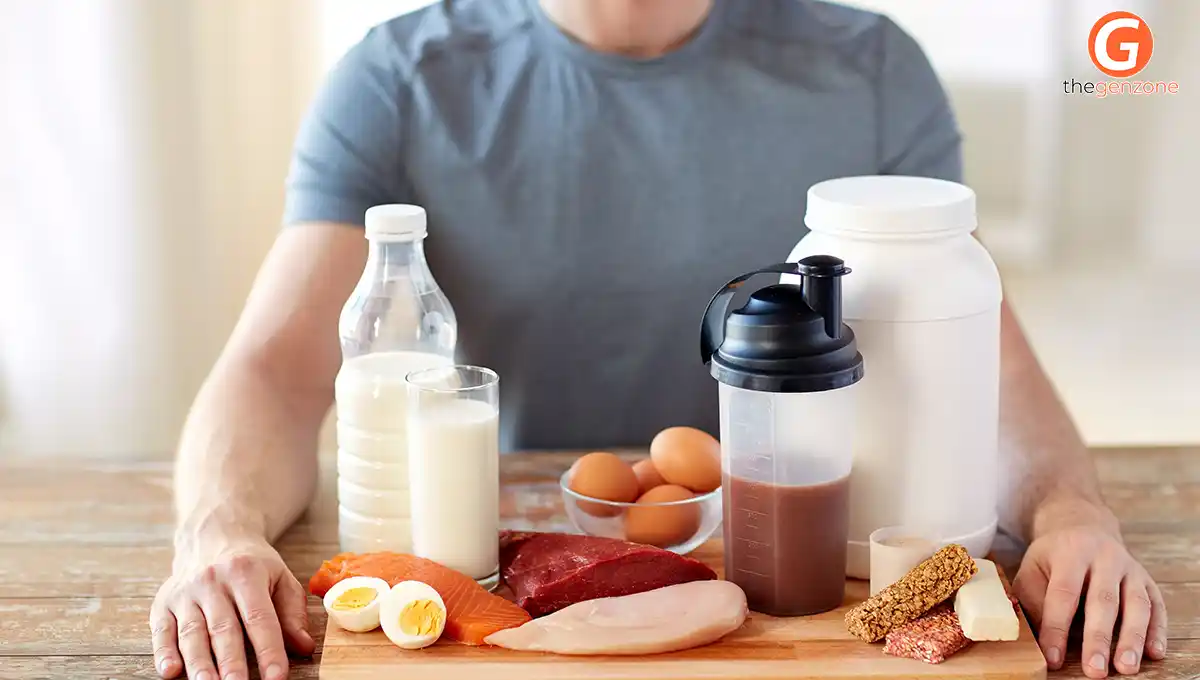
Daily Protein Intake: How Much Protein Do You Need?
Your daily protein intake affects how your body maintains muscles, repairs tissues, and supports normal body functions. The amount you need depends on factors such as body weight, age, activity level, and fitness goals. While most healthy adults can get enough protein from a balanced diet, some people may find protein-rich snacks or supplements convenient.
This guide explains daily protein requirements, the best food sources, how to spread protein across meals, and when products from Body & Fit may fit into your routine.
Quick Overview
- Basic adult recommendation: Around 0.8 grams of protein per kilogram of body weight per day for generally healthy adults.
- Good food sources: Eggs, dairy, fish, poultry, beans, lentils, tofu, nuts, and seeds.
- For active people: Protein needs may be higher depending on training intensity, goals, and individual circumstances.
- Are supplements necessary? No. Protein powders and bars are convenient options, but they are not essential when food meets your needs.
These figures are general guidance rather than a personalized nutrition plan.
How Much Protein Do You Need Each Day?
For generally healthy adults, the recommended dietary allowance (RDA) in the United States is approximately 0.8 grams of protein per kilogram of body weight daily. People who exercise regularly, older adults, and individuals with specific health or fitness goals may need individualized guidance.
For example, using the basic 0.8 g/kg recommendation:
|
Body weight |
Approximate daily protein |
|
50 kg |
40 g |
|
60 kg |
48 g |
|
70 kg |
56 g |
|
80 kg |
64 g |
|
90 kg |
72 g |
These examples apply the basic adult recommendation; they are not universal targets for athletes or everyone with a particular fitness goal.
People who perform regular resistance training may benefit from a higher intake. Sports nutrition guidance commonly discusses ranges around 1.4–2.0 g/kg per day for exercising individuals, although the appropriate amount varies.
If you have kidney disease, another condition affecting protein needs, or a medically prescribed diet, consult a qualified healthcare professional before making substantial changes.
If you need convenient snack ideas, compare these low-calorie snack options and choose products that fit your overall nutritional needs.
Why Is Protein Important?
Protein supplies amino acids that the body uses to build and maintain tissues. It also contributes to enzymes, hormones, and other essential biological processes.
1. Muscle maintenance and repair
Your body uses protein to maintain muscle tissue and repair it after physical activity. Eating enough protein alongside suitable exercise can support muscle development and recovery.
2. Normal body functions
Protein helps form enzymes, transport molecules, and support immune-system functions. It is an essential nutrient, not simply a supplement for people who work out.
3. Fullness between meals
Protein-containing foods can help you feel satisfied after eating. Combining them with vegetables, whole grains, and other fiber-rich foods can help create balanced meals.
4. Recovery after exercise
Adequate daily protein supports recovery from training. Total intake, overall nutrition, sleep, and training habits all matter; a supplement alone cannot replace them.
Best Foods for Meeting Your Daily Protein Intake
You can get protein from both animal and plant sources. Choosing a variety of foods helps you obtain protein alongside other important nutrients.
|
Food |
Approximate protein |
|
2 large eggs |
12–13 g |
|
100 g cooked chicken breast |
30–31 g |
|
100 g cooked lentils |
9 g |
|
100 g firm tofu |
10–17 g |
|
200 g plain Greek yogurt |
18–20 g |
|
30 g almonds |
6 g |
Values vary by product, preparation method, and brand. Check packaging and reliable nutrition databases for more precise amounts.
Animal-based protein
Eggs, milk, yogurt, fish, chicken, and other meats can provide protein and additional nutrients. Choose portions and varieties that fit your dietary preferences and overall health needs.
Plant-based protein
Beans, lentils, chickpeas, tofu, tempeh, nuts, seeds, and whole grains can contribute to daily protein intake. A varied plant-based diet can provide the essential amino acids your body needs.
How to Spread Protein Across Your Day
Rather than trying to obtain most of your protein in one meal, consider including a protein source at breakfast, lunch, dinner, and snacks as needed.
A simple daily pattern could look like this:
- Breakfast: Eggs or Greek yogurt with oats and fruit.
- Lunch: Lentils, beans, tofu, fish, or chicken with vegetables and whole grains.
- Snack: Yogurt, roasted chickpeas, nuts, or another protein-containing food.
- Dinner: Tofu, beans, fish, or lean meat with vegetables and a grain or starchy food.
Adjust portions to your own requirements. You do not need to follow this exact menu to meet your daily needs.
Can Protein Supplements Help?
Protein powders, bars, and ready-to-drink shakes can be useful when meals do not provide enough protein or when a convenient option fits your schedule. However, they are not automatically better than whole foods.
Body & Fit offers nutrition products that readers may consider when comparing convenient protein options. Before choosing a product, check its protein content per serving, ingredients, allergens, serving size, price, and any added sugars. Make sure product claims match the information on its current label.
Keep in mind that a protein bar or shake may not provide the same range of nutrients as a balanced meal. Supplements should complement your diet rather than replace a varied eating pattern.
For a closer look at convenient protein snacks, see our guide to high-protein bars, including what to check on the nutrition label.
Common Mistakes to Avoid
- Assuming everyone needs the same amount: Protein requirements vary with body weight, age, activity, and health.
- Relying only on supplements: Everyday foods can supply protein alongside vitamins, minerals, and fiber.
- Ignoring serving sizes: Compare protein per serving with the amount you actually consume.
- Expecting instant results: Muscle development depends on training, adequate nutrition, rest, and consistency.
- Following extreme diets: Avoid making major dietary changes based solely on social media advice or product marketing.
Conclusion
Meeting your daily protein intake starts with understanding your needs and choosing a balanced mix of protein-rich foods. Include suitable sources in regular meals, adjust portions to your activity and goals, and use supplements only when they are useful for your routine. If you are comparing convenient products, Body & Fit can be one option to evaluate alongside the nutrition information, ingredients, and price of alternatives. For more practical ideas, read our guide to everyday health and nutrition and learn how to evaluate different options.
Frequently Asked Questions
How much protein should I eat daily?
A commonly used baseline for generally healthy adults is about 0.8 g/kg of body weight daily. Exercise, age, and health conditions may change individual needs.
Can I get enough protein without supplements?
Yes. Many people can meet their protein requirements through foods such as eggs, dairy, fish, poultry, beans, lentils, and tofu. Supplements are optional convenience products.
Is plant-based protein enough?
Yes. A varied diet containing legumes, soy foods, nuts, seeds, and grains can supply essential amino acids. Eating a variety of protein sources across the day is helpful.
Should I consume protein after a workout?
A protein-containing meal or snack can support muscle recovery. The timing can be convenient, but your total daily intake and overall diet are also important.
Are protein bars and shakes healthy?
That depends on their ingredients, nutrition profile, portion size, and how they fit into your diet. Compare labels instead of assuming every product is equally nutritious.
Can I take protein supplements every day?
Some people use them daily as part of their diet, but whether this is appropriate depends on their needs, product ingredients, and health circumstances. Ask a qualified healthcare professional if you have a relevant medical condition.


.jpg)