Why Timeless Basics Are Replacing Fast Fashion in German Wardrobes
Something has quietly changed in German wardrobes. The overflowing closets of cheap, trend-driven pieces that defined the 2010s are giving way to a leaner, more deliberate approach: fewer garments, better made, worn for years rather than weeks. Across Germany, shoppers are trading the buy-wear-discard cycle of fast fashion for timeless wardrobe basics, the neutral tailoring, quality knitwear, and durable denim that never fall out of style.
This isn’t a passing aesthetic. It reflects deeper cultural, economic, and environmental pressures that are pushing German consumers toward slow fashion in 2026. Below, we unpack why the shift is happening, what a timeless wardrobe actually looks like, and which classic clothing brands in Germany are leading the movement.
Quick Overview :
Timeless wardrobe basics are replacing fast fashion in German wardrobes because German shoppers increasingly value durability, versatility, and long-term cost efficiency over disposable trends. With Germans consuming nearly 19 kg of textiles per person each year and roughly 1 million tonnes collected as waste, more consumers are shifting to a smaller set of high-quality, seasonless staples — neutral tailoring, quality knitwear, and well-made denim, from established German brands built on craftsmanship and longevity. This “investment dressing” approach reduces waste, simplifies daily dressing, and saves money over time.
The Fast Fashion Reckoning in Germany
Germany has long had one of Europe’s largest and most fashion-conscious consumer markets, and that scale comes with a cost. Each year, nearly 19 kg of textiles are consumed per person in Germany, adding up to around 1.56 million tonnes, with roughly 1 million tonnes collected as textile waste. Much of that volume is driven by fast fashion’s low prices and rapid trend cycles.
But a growing number of German shoppers are questioning whether disposable clothing actually saves money. Repeated experiences with fabric that pills, seams that fail, and colours that fade have eroded trust in ultra-cheap garments. Instead of buying multiple low-cost items on impulse, consumers are increasingly weighing durability, material quality, versatility, and long-term usability before they buy — a mindset that matters even more during periods of economic uncertainty.
At the same time, “haul culture” fatigue has set in. The endless social-media cycle of buying and discarding now reads as wasteful rather than aspirational. In its place, German consumers are embracing investment dressing, concentrating their spending on fewer, higher-value pieces designed to last.
What Counts as a Timeless Wardrobe Basic?
A timeless basic is a garment that transcends seasons and trends, something you can wear this year, next year, and five years from now without looking dated. These pieces share a few defining traits:
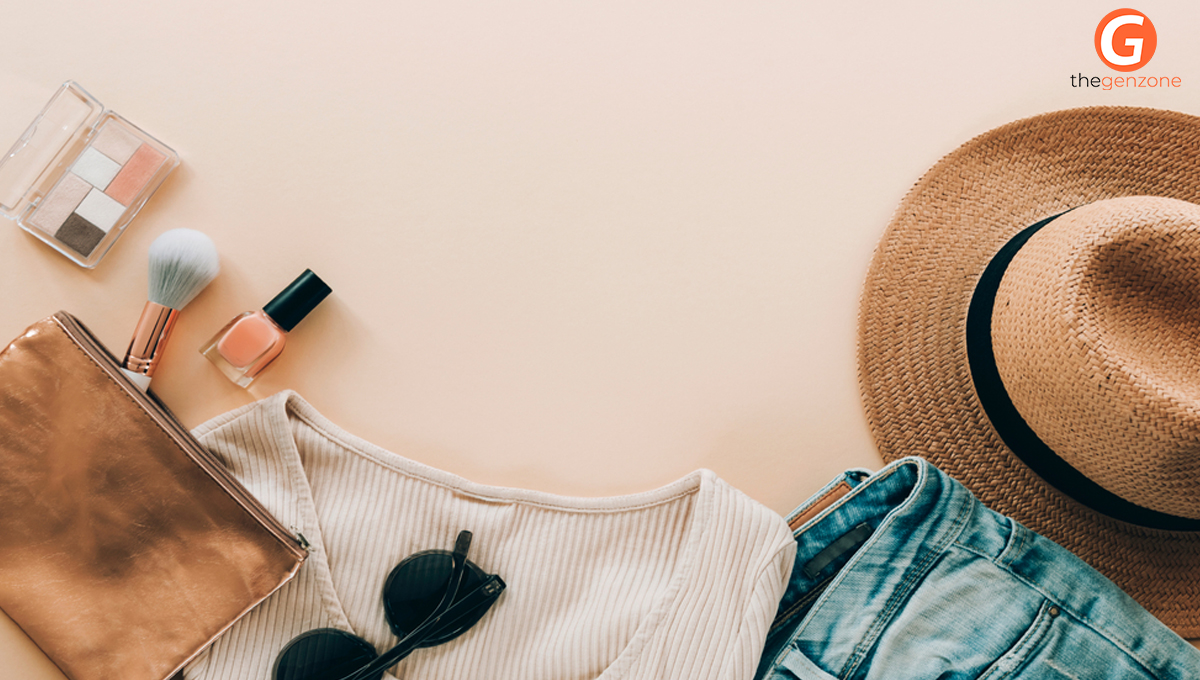
● Neutral, trans-seasonal colours: black, white, navy, grey, camel, and earth tones that mix effortlessly.
● Clean, classic silhouettes: well-cut trousers, tailored blazers, crisp shirts, and simple knitwear.
● Quality natural fabrics: cotton, wool, linen, and responsibly sourced blends that hold their shape wash after wash.
● Versatility: pieces that coordinate across multiple outfits and move from office to weekend.
● Durability: precise construction and reinforced seams built for repeated wear.
The appeal is practical as much as ethical. A capsule of well-made staples reduces decision fatigue, cuts long-term spending, and dramatically lowers the waste footprint of a wardrobe. Extending the active life of clothing by just nine months can reduce its carbon, water, and waste footprints by 20–30% each, a compelling argument for buying better and less.
Why German Consumers Are Leading the Slow Fashion Shift
Several forces are converging to make Germany a natural home for the timeless-basics movement in 2026.
A cultural preference for understated quality
Germany has a long-standing cultural leaning toward quality over overt branding. The rise of “quiet luxury”, craftsmanship and timeless design over loud logos, aligns almost perfectly with this sensibility. Shoppers increasingly favour heritage, durability, and honest construction over flashy seasonal statements.
Sustainability as a baseline, not a bonus
For German consumers, sustainability has evolved from a marketing advantage into a basic expectation. Berlin Fashion Week has introduced binding sustainability standards, and second-hand platforms like Vinted now rival major marketplaces in popularity. Circularity — repair, reuse, and resale — is becoming a normal part of how Germans think about clothing.
Economic pragmatism
Price sensitivity remains high, but German shoppers increasingly define value through longevity rather than sticker price. A €60 sweater worn for five years quietly outperforms a €15 one replaced every season, both in cost-per-wear and in peace of mind. This value-over-volume logic is a core driver of the slow-fashion shift.
Classic Clothing Brands in Germany Built for Longevity
The timeless-basics movement is powered by German brands that have prioritised quality and durability for decades, long before slow fashion became a trend. These are the labels German shoppers turn to when building a wardrobe designed to last.
One of the most recognisable names in this space is CECIL DE, a German fashion brand known for casual-sporty women’s clothing built around quality, perfect fit, and durability. Founded as part of the CBR Fashion Group, which has shaped the European market since 1980, CECIL focuses on versatile staples like blouses, knitwear, tailored trousers, and easy-care natural fabrics that hold their shape season after season. Its design philosophy leans on cohesive colour palettes and timeless silhouettes, making it straightforward to assemble a coordinated, long-lasting wardrobe rather than a pile of one-off trend pieces.
Shoppers looking to build a foundation of dependable staples can explore CECIL’s range through this Classic Clothing store, where quality basics — from everyday shirts and cardigans to blazers and denim — are designed with the durability and versatility that define a timeless wardrobe. Investing in these pieces reflects the broader German shift: spending thoughtfully on garments engineered to be worn for years, not discarded after a season.
What sets these classic German brands apart is their commitment to precision sewing, high-quality natural fabrics, and a belief that fashion should be worn for years rather than a single season. That ethos is exactly what the slow-fashion movement is asking for — and it’s why heritage German labels are so well positioned in 2026.
How to Build a Timeless Wardrobe in 2026
Transitioning from a fast-fashion habit to a curated capsule doesn’t require an overnight overhaul. A few practical steps make the shift manageable:
● Audit before you buy.
Identify the versatile pieces you already own and reach for most, then fill genuine gaps.
● Prioritise neutrals first.
Build a base of black, navy, grey, white, and camel that mix easily, then add accents sparingly.
● Invest in the workhorses.
A well-cut blazer, quality knitwear, durable trousers, and good denim earn their price through repeated wear.
● Judge cost-per-wear, not sticker price.
A durable piece worn hundreds of times is cheaper per wear than a cheap one worn a handful of times.
● Care for what you own.
Gentle washing, air drying, and simple repairs extend garment life and lower your footprint.
Conclusion
The move toward timeless basics in German wardrobes is more than a style preference — it’s a rational response to environmental cost, economic reality, and simple wardrobe fatigue. As shoppers trade disposable trends for durable, versatile staples from classic German brands, they’re building wardrobes that cost less over time, waste less, and simply work harder. In 2026, buying better and buying less isn’t a sacrifice in Germany. It’s becoming the smarter default.
Frequently Asked Questions
- What are timeless wardrobe basics?
Timeless wardrobe basics are versatile, well-made garments in neutral colours and classic silhouettes — such as tailored trousers, quality knitwear, crisp shirts, blazers, and durable denim — that stay stylish across seasons and years rather than following short-lived trends.
- Why are Germans moving away from fast fashion?
German consumers are shifting away from fast fashion due to frustration with poor durability, growing environmental awareness, and economic pragmatism. Many now prefer fewer, higher-quality pieces that last longer and offer better cost-per-wear, supported by Germany’s cultural preference for understated quality and its strong sustainability expectations.
- Which German clothing brands are known for quality basics?
Germany is home to several classic clothing brands built on durability and timeless design. CECIL DE, part of the long-established CBR Fashion Group, is widely known for casual-sporty women’s basics that emphasise quality, fit, and easy-care natural fabrics — making it a popular choice for building a lasting wardrobe.
- Is slow fashion more expensive than fast fashion?
Slow fashion often has a higher upfront price, but it can be more affordable over time. Because quality basics are worn far more often and last far longer, their cost-per-wear is typically lower than cheap garments that need frequent replacing — while also generating less textile waste.
- How many timeless basics do I actually need?
There’s no fixed number, but many people build a capsule of roughly 20–40 versatile pieces that mix and match easily. The goal is coordination and versatility rather than quantity — enough well-chosen staples to cover work, weekend, and seasonal needs.
.jpg)