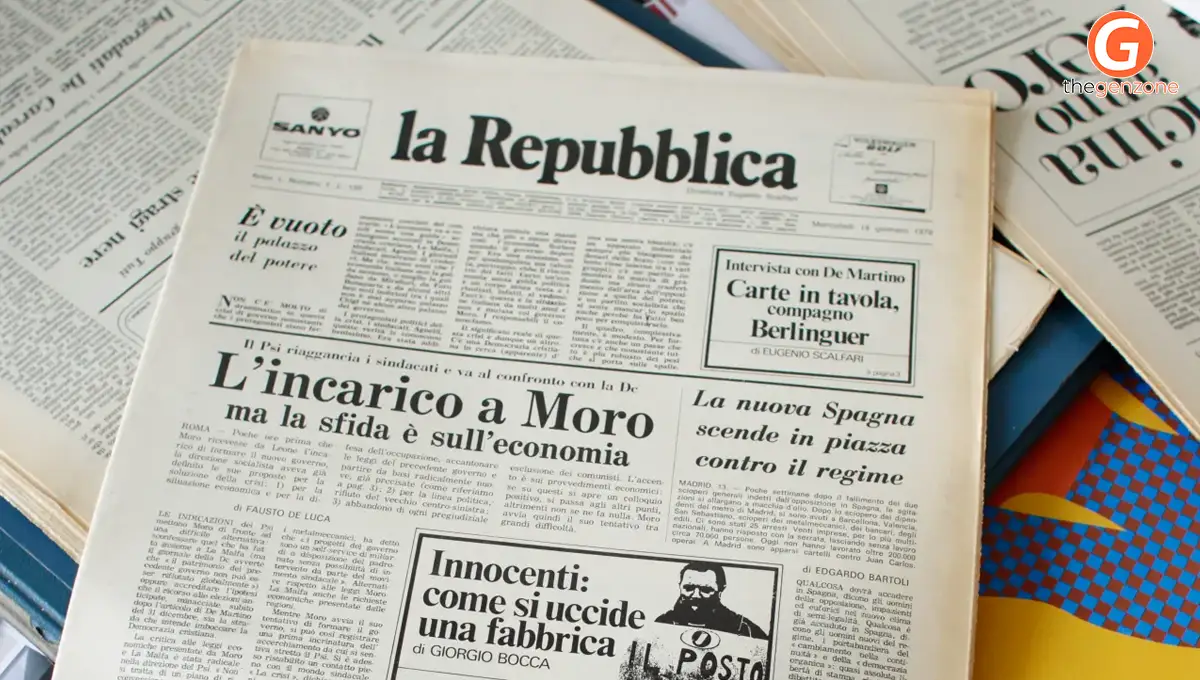
Inside La Repubblica: How Italy's Most Trusted Newspaper Became a Cultural Institution
A newspaper can do more than deliver the day's headlines, it can shape how people understand their country, culture and changing world. La Repubblica has built that kind of influence in Italy over the years. Known for its news coverage, opinions, cultural stories and distinctive editorial voice, it has become a familiar part of Italian media and public life. But what made it stand out and how did it grow into such an influential publication?
Quick Overview:
For decades, La Repubblica has been more than a daily source of news in Italy. Since its launch in 1976, it has built a strong identity around journalism, culture, politics, ideas and social change. Its distinctive editorial style helped it stand out in a crowded media landscape and connect with generations of readers. Today, the la repubblica italy newspaper remains an important name for anyone interested in understanding modern Italy. Its influence extends beyond daily reporting through cultural features, special editions, digital content and historical archives.
The Story Behind La Repubblica
Every country has newspapers that become part of its national conversation. In Italy, La Repubblica is one of those names.
Founded in Rome in 1976 by journalist Eugenio Scalfari, the newspaper entered the market with a fresh approach to journalism. Instead of focusing only on delivering breaking news, it aimed to give readers analysis, opinions, cultural stories and deeper perspectives on the issues shaping society.
That approach helped create a publication with a personality of its own. Readers were not simply coming to the newspaper to find out what happened. They were also looking for explanations, opinions and conversations about why those events mattered.
Over the years, this distinctive approach helped La Repubblica become one of Italy's most recognizable newspapers.
What Made La Repubblica Different?
When La Repubblica first appeared, its format and editorial approach were noticeably different from many established Italian newspapers.
It placed considerable attention on politics, economics, culture, society and commentary. Its pages created room for strong opinions and thoughtful discussions, while its cultural coverage gave literature, cinema, art and other creative fields an important place in everyday journalism. This combination became one of its greatest strengths.
Rather than treating culture as something separate from current affairs, the newspaper often presented the two as connected. A political development could lead to a discussion about society. A cultural trend could reveal something about changing attitudes. A major social issue could become the subject of commentary, interviews and essays.
This approach contributed to a broader italian newspaper culture in which newspapers could serve as both information sources and platforms for public discussion.
More Than Daily News
A newspaper becomes a cultural institution when its influence extends beyond the stories it publishes every morning. La Repubblica achieved this through its wide-ranging coverage and its relationship with writers, journalists, academics, artists and public figures. Over time, its pages became a place where different ideas could meet.
Its cultural sections have covered everything from books and films to art, music, history, lifestyle and changing social attitudes. These subjects helped make the publication relevant to readers who wanted more than political headlines.
The la repubblica italy newspaper also developed a recognizable editorial voice. Its stories and opinion pieces often encouraged readers to think about broader questions rather than simply consume information. That ability to create conversation is a major reason for its lasting cultural relevance.

A Window Into Modern Italy
One of the most interesting ways to understand La Repubblica is to look at it as a record of Italy's changing society. Over several decades, its pages have reflected discussions surrounding politics, technology, education, entertainment, family, work, immigration, the environment and changing lifestyles.
Newspapers capture the mood of their time. They show which topics were considered important, which debates divided people and how public attitudes evolved.
For readers interested in Italy's recent history, journalism can therefore be just as revealing as traditional history books. Looking through old headlines, interviews, photographs and opinion pieces can show how Italians experienced important moments as they happened.
The Value of Its Editorial Archives
A newspaper's history does not disappear when yesterday's edition is replaced by today's. Archives preserve that history and La Repubblica has accumulated an extensive collection of journalism and visual material over the decades. Its la repubblica editorial collections provide a valuable look at important events, personalities, cultural movements and changing public conversations.
These collections can be useful for researchers, students, journalists, history enthusiasts and anyone curious about how Italy has changed. They also demonstrate how newspapers can become cultural records. An old article is not simply an outdated piece of news as it can become evidence of how people understood a particular moment in time.
How Culture Became Part of Its Identity
One of La Repubblica's most important contributions has been its treatment of culture as an essential part of journalism. Books, films, music, architecture, art, television and literature have all found space alongside traditional news coverage. This made the newspaper appealing to readers with broad interests and helped strengthen its reputation among culturally engaged audiences.
This connection between journalism and culture is particularly important in Italy, a country with a deep artistic and literary heritage. Instead of presenting culture as something reserved for specialists, newspaper coverage made cultural conversations accessible to everyday readers.
What Makes La Repubblica Stand Out?
|
Feature |
Why It Matters |
|
Strong Editorial Voice |
Gives readers clear perspectives on major issues |
|
Cultural Coverage |
Connects news with books, art, film, music and society |
|
In-Depth Journalism |
Goes beyond headlines to provide context and analysis |
|
Historical Archives |
Offers a record of Italy’s changing public and cultural life |
|
Digital Presence |
Makes its journalism accessible across modern platforms |
From Print to Digital
The newspaper industry has changed dramatically since 1976. Readers today can access news through websites, mobile devices, newsletters, videos, podcasts and social media.
La Repubblica has adapted to this changing environment while maintaining many of the characteristics that established its identity in print. Its digital presence allows readers to follow breaking stories while also exploring analysis, interviews, opinion pieces, cultural features and multimedia content. The move from print to digital has therefore changed the way the newspaper reaches its audience, but not necessarily the broader purpose of its journalism.
Why Readers Still Turn to La Repubblica
There are countless ways to follow Italian news today, but established newspapers continue to offer something valuable: context. Social media can deliver a headline within seconds. News websites can provide constant updates. Yet understanding an issue often requires background, analysis, different viewpoints and expert commentary.
That is where newspapers such as La Repubblica continue to play an important role. For anyone searching for the best italian newspapers to read, it is particularly worth exploring if you want a combination of current affairs, political coverage, cultural reporting, opinion and commentary.
La Repubblica's Lasting Legacy
The story of La Repubblica is ultimately about how journalism can become part of a country's cultural identity. It began with a different vision of what a newspaper could be and gradually developed into a publication associated with news, ideas, culture and public debate. Its archives preserve decades of Italian life, while its ongoing journalism continues to reflect the country's changing conversations.
The newspaper's greatest achievement may not simply be its longevity. It is the fact that generations of readers have used its pages to understand events, explore ideas, discover cultural trends and form opinions. That is what turns a newspaper into a cultural institution.
FAQs
1. When was La Repubblica founded?
La Repubblica was founded in Rome in 1976 by journalist Eugenio Scalfari.
2. What is La Repubblica known for?
It is known for its coverage of politics, current affairs, culture, society, opinion and in-depth journalism.
3. Why is La Repubblica culturally important?
Its strong focus on culture, ideas, literature, arts and social issues helped make it an influential part of Italy's public conversation.
4. What can readers find in La Repubblica editorial collections?
They can include historical articles, photographs, interviews, opinion pieces and other material documenting Italian public life.
5. Why should people read Italian newspapers?
Italian newspapers can provide valuable perspectives on the country's politics, culture, society, economy and everyday life.


.jpg)