Cross-Border South America by Bus: FlixBus Routes Beyond Brazil
Dreaming of seeing more of South America without constantly hopping on flights?
Long-distance bus travel offers a rewarding way to experience changing landscapes, vibrant cities, and memorable border crossings at a slower pace. Whether you're planning a classic bus from Brazil to Argentina or building a multi-country itinerary, buses make the journey part of the adventure.
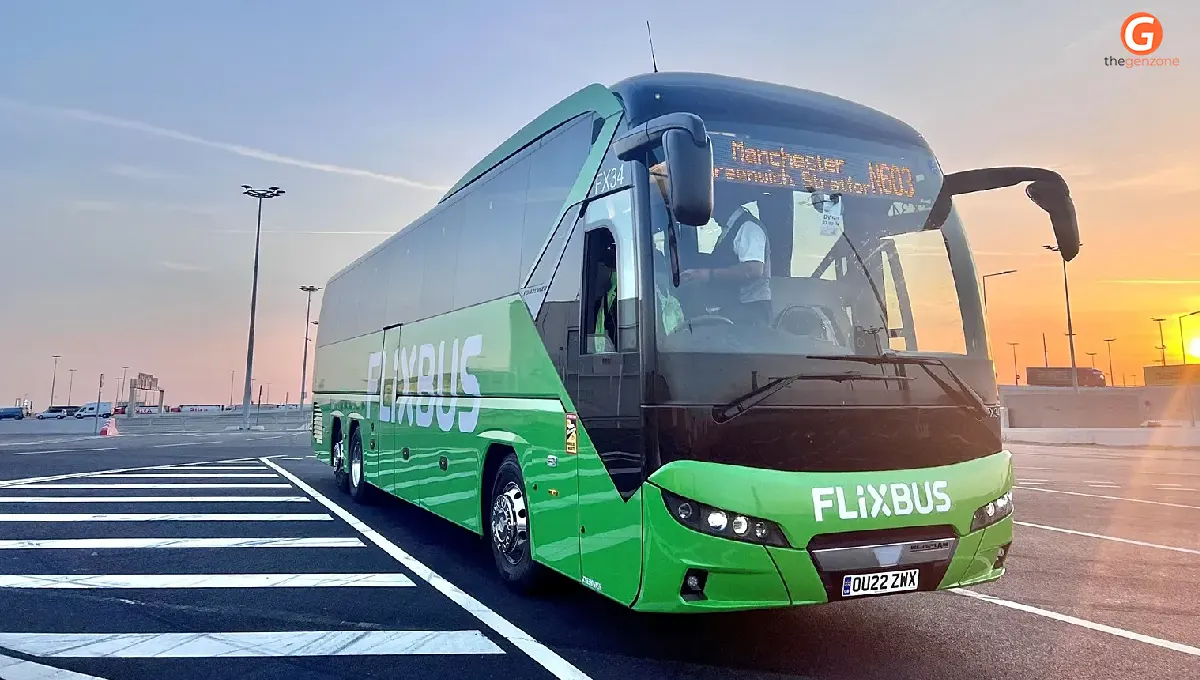
Companies like FlixBus have expanded travel options within Brazil while making it easier to connect with broader regional networks. With a little planning, crossing borders by bus can be comfortable, affordable, and surprisingly straightforward for first-time international travelers.
Quick Overview:
|
What You'll Learn |
Details |
|
Best routes |
Popular cross-border bus connections |
|
Travel time |
What to expect on long-distance journeys |
|
Border process |
Immigration and customs basics |
|
Comfort |
Overnight buses, amenities, and packing tips |
|
Planning |
When buses make more sense than flights |
Is a Bus from Brazil to Argentina Possible?
Yes. A bus from Brazil to Argentina is a practical option, with established international coach services connecting major cities and border regions. While some itineraries involve direct services, others require connections through transport hubs, depending on your departure point.
If you're already traveling within Brazil, FlixBus can help you reach major cities where onward international bus connections are available. Brazil also has regulated international road passenger services linking neighboring countries under regional agreements.
Popular Cross-Border Routes Worth Considering
One of the best-known journeys is São Paulo to Buenos Aires by bus, favored by travelers looking for an overland adventure. Although the trip is lengthy, it allows passengers to experience changing scenery while avoiding multiple airport transfers.
Other popular South America bus travel routes include connections through Porto Alegre and Foz do Iguaçu, where travelers often continue into Argentina after clearing immigration. These routes are especially attractive for those combining several destinations in one itinerary.
When planning your route, compare total travel time, transfer requirements, and overnight schedules instead of focusing only on distance. A well-timed overnight journey can reduce accommodation costs while maximizing sightseeing time.
What Happens During a Cross-Border Bus Journey?
For most cross-border bus South America trips, passengers leave the bus temporarily for immigration and customs checks. Travelers present passports and any required travel documents before reboarding once inspections are complete.
Processing times vary depending on border traffic, holidays, and seasonal demand. Keeping important documents, medications, and valuables in your carry-on makes the process much smoother.
Many experienced travelers recommend carrying snacks, a refillable water bottle, and a power bank since border procedures can occasionally take longer than expected. Remaining patient and following the driver's instructions helps ensure a hassle-free crossing.
What Is the Travel Experience Like?
Long-distance coaches have become increasingly comfortable, making overnight travel a popular choice.
|
Feature |
Typical Experience |
|
Seating |
Reclining or sleeper-style seats |
|
Stops |
Scheduled meal and restroom breaks |
|
Luggage |
Checked baggage plus carry-on allowance |
|
Onboard Amenities |
Wi-Fi and charging ports may be available |
|
Best For |
Budget-conscious and slow travelers |
Modern operators continue expanding comfortable coach services with features designed for longer journeys. Amenities can vary by operator and route, so it's worth checking before booking.
Bus or Flight: Which Is Better?
Both options have advantages depending on your travel style.
Choose the bus if you:
- Prefer lower transportation costs
- Enjoy scenic overland travel
- Want flexible multi-city itineraries
- Don't mind longer travel times
Choose a flight if you:
- Have limited vacation time
- Need the fastest arrival
- Prefer shorter travel days
For travelers who value the journey as much as the destination, a bus from Brazil to Argentina offers a unique perspective that flights simply can't provide.
Conclusion
Traveling across borders by bus offers more than transportation: it creates opportunities to experience local culture, changing landscapes, and memorable stops along the way.
Whether you're planning the classic bus from Brazil to Argentina or adding several destinations to your itinerary, careful planning makes the experience much easier.
Comfortable coaches, established international routes, and growing networks like FlixBus provide travelers with flexible alternatives to flying. Compare schedules, prepare your travel documents, and choose the route that best fits your pace. Start planning your next cross-border adventure today and enjoy every mile of the journey.
FAQs
- How long does it take from Brazil to Argentina?
Travel time depends on your departure city and destination. A bus from Brazil to Argentina, such as the popular São Paulo to Buenos Aires route, typically takes 35 to 40 hours, including scheduled stops and border crossing procedures.
- Is there a train from Brazil to Argentina?
No, there is currently no direct passenger train connecting Brazil and Argentina. Travelers usually choose international bus services or flights, with buses offering a more scenic and budget-friendly way to travel between the two countries.
- How long is the bus from Rio to Iguazu Falls?
A bus from Rio de Janeiro to Iguazu Falls (Foz do Iguaçu) generally takes 22 to 25 hours, depending on the operator, traffic conditions, and scheduled rest stops. Overnight services are a popular choice for this route.
- Can you cross from Brazil to Argentina at Iguazu Falls?
Yes. Visitors can cross the international border between Foz do Iguaçu (Brazil) and Puerto Iguazú (Argentina) via the Tancredo Neves International Bridge. After completing immigration formalities, travelers can continue their journey by bus, taxi, or other local transportation.


.jpg)